
Why Relocating in Midlife Might Be the Reset Your Life Needs
Why Relocating in Midlife Might Be the Reset Your Life Needs
For professionals in their 40s to 60s balancing aging parents, shifting health needs, and evolving work demands, a midlife transition can make staying put feel as risky as moving. The core tension is real: relocation challenges and benefits arrive together, from leaving familiar routines and support networks to gaining new options and breathing room. Done with intention, a move can support lifestyle reinvention, create space for a career change in midlife, and surface personal growth opportunities that were hard to see before. Relocation can become a practical reset.
How Place Can Spark Midlife Reinvention

A midlife move is not only a change of address. It is a shift in the cues around you, from walkability and safety to who you see every day, that can nudge new habits into place. A supportive neighborhood can also make career development feel more doable by reducing friction, like commute time, isolation, or lack of nearby services.
This matters because routines often follow the path of least resistance. When your environment makes healthy choices, social connection, and learning easier, you spend less energy “pushing” change and more energy sustaining it. The fact that 25.8 million Americans moved shows how common it is to use relocation as a real-life reset.
Picture moving closer to parks, a library, and a community college. Evening walks replace screen time, and a nearby class turns “someday” into a weekly commitment. Over time, the new setting becomes a steady partner in your goals. With the right place chosen, education planning can keep a career shift moving forward during transition.
Pair Relocation With School: A Simple Path to New Credentials
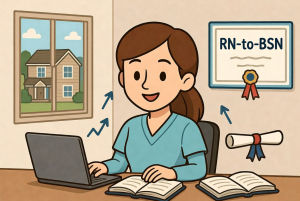
When a new place gives you fresh energy, pairing that move with a return to school can help you turn motivation into measurable career momentum. Going back to school during a midlife relocation can be a practical way to gain new skills or credentials that support the direction you want this chapter to take. If you’re already a nurse, you can enhance your career and improve patient outcomes by earning an accredited RN-to-BSN online degree. Online degree programs can also make it easier to keep working while you study, so you can juggle your job and stay consistent with coursework even as you settle into a new home and routine. With that bigger goal in view, the next step is making sure the home base and neighborhood you choose actually support the daily realities of your new plan.
Use This 8-Point Checklist to Choose the Right Home Base
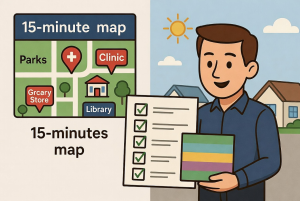
A midlife move works best when your home base supports the lifestyle and career direction you’re building, especially if you’re pairing relocation with new credentials or training. Use this checklist to narrow choices quickly while keeping long-term comfort and community alignment front and center.
- Write a “why this move” scorecard (top 5 priorities): List the five outcomes you want most, examples include finishing a program, reducing commute stress, being near adult kids, or getting outdoors daily. Turn each into a measurable home selection criterion like “15 minutes to campus/clinical site,” “single-story living,” or “walkable errands.” When you tour homes, score each priority 1–5 so emotions don’t override your plan.
- Set a monthly “all-in housing” ceiling, not just a purchase price: Build a simple budget that includes mortgage or rent, taxes, insurance, HOA fees, utilities, and a maintenance buffer. If you’re also paying tuition or cutting hours to study, stress-test the budget with a “lean month” scenario. A good rule is to decide the ceiling first, then shop for homes that fit it, rather than stretching for a house and squeezing everything else.
- Budget for “reset costs” like furniture and setup: Midlife movers often downsize, relocate across climates, or shift from family-sized spaces to simpler layouts, so you’ll likely replace or reconfigure basics. Some retailers suggest planning for 10% to 20% of your home’s value for furniture, which can prevent surprise spending right after closing. Even if you aim lower, create a line-item list: bed, seating, lighting, window coverings, and moving-day essentials.
- Test community alignment with two real-life trial runs: Visit twice: once on a weekday morning and once on a weekend evening. Do your normal routine, get groceries, grab coffee, visit the library, drive to the gym or a potential employer, then note how it feels and how long it takes. This is the fastest way to confirm whether the community supports your next chapter or just looks good on paper.
- Audit neighborhood amenities that protect your time and health: Make a “15-minute map” of essentials: primary care, urgent care, pharmacy, groceries, parks, and social hubs. If you’ll be in school or retraining, add quiet study space and reliable transit/parking near classes or clinical sites. The right neighborhood amenities reduce friction so you can focus on learning, work, and relationships.
- Choose for long-term housing considerations, not just today’s needs: Favor layouts that can adapt, few or no stairs, a bathroom on the main level, and space for a desk or hobby area. Ask yourself what changes are likely in 5–10 years: remote work, caregiving, or wanting to age in place. A home that can flex saves money and stress compared to moving again.
- Verify the “hidden rules” before you commit: If there’s an HOA or condo board, read the bylaws and recent meeting notes. Confirm what’s allowed: rentals, pets, renovations, parking, and guest policies, details that can make or break your lifestyle. This step is especially important in real estate for midlife movers who value stability and fewer surprises.
- Run a decision rehearsal: “If I had to leave in 3 years…” Midlife plans evolve, new jobs, new relationships, or completing a degree can change your timeline. Ask what would make the home easy to sell or rent: broad appeal, manageable fees, and a location that stays desirable. That mindset helps you balance confidence with flexibility when you weigh costs, timing, and the possibility of second thoughts.
Midlife Move FAQs: Money, Timing, and Home Choices
Q: How do I know if I can afford a midlife move without derailing my goals?
A: Start with a monthly “all-in” number that includes housing, utilities, insurance, and a buffer for surprises. If income may dip during retraining, run a conservative version of your budget first. The reality that 62 percent of millennials have delayed major life milestones can be a helpful reminder to plan for progress, not perfection.
Q: When should I rent first instead of buying right away?
A: Renting can be a smart bridge if you are changing careers, testing a new area, or unsure about your long-term timeline. It gives you time to learn traffic patterns, climate needs, and neighborhoods before committing.
Q: What costs do people forget when they relocate in midlife?
A: Setup expenses add up, including deposits, basic furnishings, storage, minor repairs, and time off work. Create a short “reset list” and price it before you sign anything.
Q: How can I avoid buyer’s remorse after choosing a new community?
A: Try living your normal routine there twice before committing, including errands and a weekday drive. Also ask one question: “Would this still work if my job or caregiving needs changed?”
Q: Can moving during midlife actually reduce stress, not add to it?
A: Yes, when the move simplifies your daily life instead of complicating it. It may help to remember the hump-shaped unhappiness has disappeared in recent years, so your choices can be guided by fit and function, not fear.
Reclaim Daily Life With a Midlife Move That Fits
Midlife often brings a familiar tension: the current home may feel workable, but it no longer matches needs, energy, or priorities. The path forward is embracing change with clear-eyed, reflective life decisions that treat relocation as an intentional reset rather than an escape. Those who take this approach often find midlife empowerment in the benefits of relocation, simpler routines, better support, and positive lifestyle outcomes that show up day to day. A move is a decision to align your address with your life.